15 Dog Treats for Sensitive Stomachs
If your dog has a sensitive stomach, treat time can feel like a gamble. One rich biscuit or unfamiliar ingredient can turn a happy afternoon into an evening of gurgling, loose stools, or a skipped dinner. The good news is that a sensitive stomach does not mean a boring treat jar. With gentle, easy-to-digest ingredients and simple preparation methods, you can make homemade treats that most dogs tolerate well and genuinely enjoy. This guide shares fifteen gentle recipes built around soothing, low-fat, single-protein and bland-carbohydrate ingredients, plus practical feeding advice to help you introduce new treats safely.
A sensitive stomach is not a diagnosis by itself. It is a description of a dog that reacts more easily than most to dietary change, rich food, or certain ingredients. Some dogs are simply born with more reactive digestion, while others develop sensitivity after illness, antibiotics, stress, or a period of poor diet. The goal of a gentle treat is not to cure an underlying problem, but to avoid provoking it. That means choosing ingredients that are familiar, low in fat, low in fibre extremes, and free from the common triggers that tend to upset dogs.
Why Some Dogs Have Sensitive Stomachs
Common causes include sudden food changes, eating too quickly, table scraps, rich or fatty foods, too many treats in one day, food intolerances, parasites, infections, and stress. Some dogs also react to specific proteins or additives, while others struggle when their diet is too varied. Age matters too: puppies are still developing their gut, and older dogs may digest fat and fibre less efficiently. A dog that vomits occasionally after scavenging is not necessarily chronically sensitive, but repeated digestive upset after normal food deserves attention.
Signs of a sensitive stomach often include soft or loose stools, occasional vomiting, gas, stomach gurgling, burping, a reluctance to eat, or discomfort after meals. You may also notice your dog eating grass, licking lips, or seeming restless at night. Keep notes when symptoms appear: what was eaten, how much, and when the upset started. Patterns are far more useful to a vet than a single incident, and they can help you identify whether a particular treat ingredient is the problem or whether the issue is portion size, timing, or something else entirely.
Ingredients to Favour and Ingredients to Avoid
For sensitive stomachs, favour plain cooked chicken or turkey, plain pumpkin puree, cooked sweet potato, white rice, oats, plain yoghurt in small amounts, banana, blueberries, carrots, and eggs cooked thoroughly. These foods are generally gentle, familiar, and easy to digest in modest portions. Plain pumpkin is especially useful because its soluble fibre can help firm loose stools and settle mild digestive upset, while sweet potato provides slow, steady energy without a heavy fat load.
Avoid rich, fatty, spicy, or heavily seasoned ingredients. Skip onion, garlic, chives, grapes, raisins, chocolate, xylitol, macadamia nuts, and artificial sweeteners entirely, as these are toxic or unsafe for dogs. Be cautious with dairy in larger amounts, very fatty meats, fried foods, raw dough, bones that splinter, and treats packed with fillers, dyes, and preservatives. When in doubt, keep the recipe short. A treat with four recognisable ingredients is usually a safer test than one with fifteen.
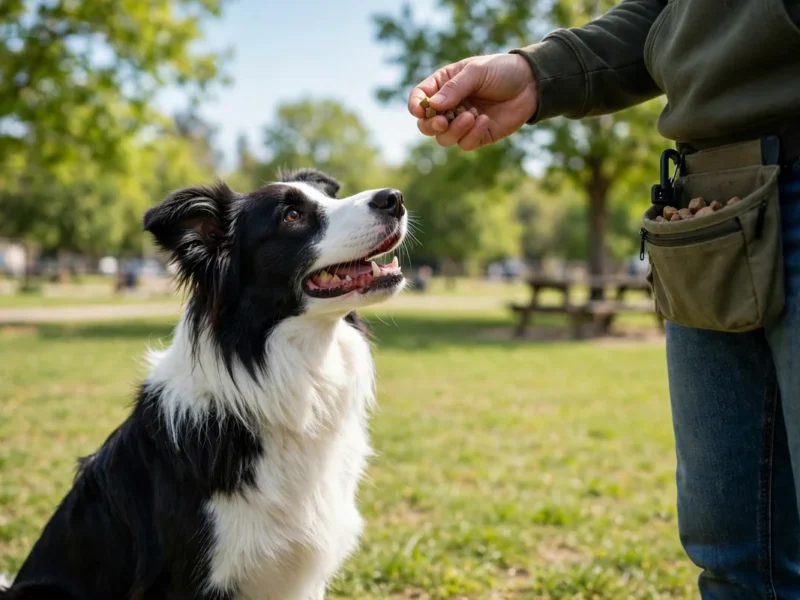
Introduce any new treat slowly. Start with a small piece, wait twenty-four to forty-eight hours, and watch for changes in stool, appetite, gas, or energy before offering a full portion. Treats should make up no more than ten percent of daily calories, and for sensitive dogs, staying well below that limit on new-treat days is wise. Always provide fresh water, and store homemade treats properly so they do not spoil and cause a problem of their own.
15 Dog Treats for Sensitive Stomachs
1. Plain Pumpkin Oat Bites
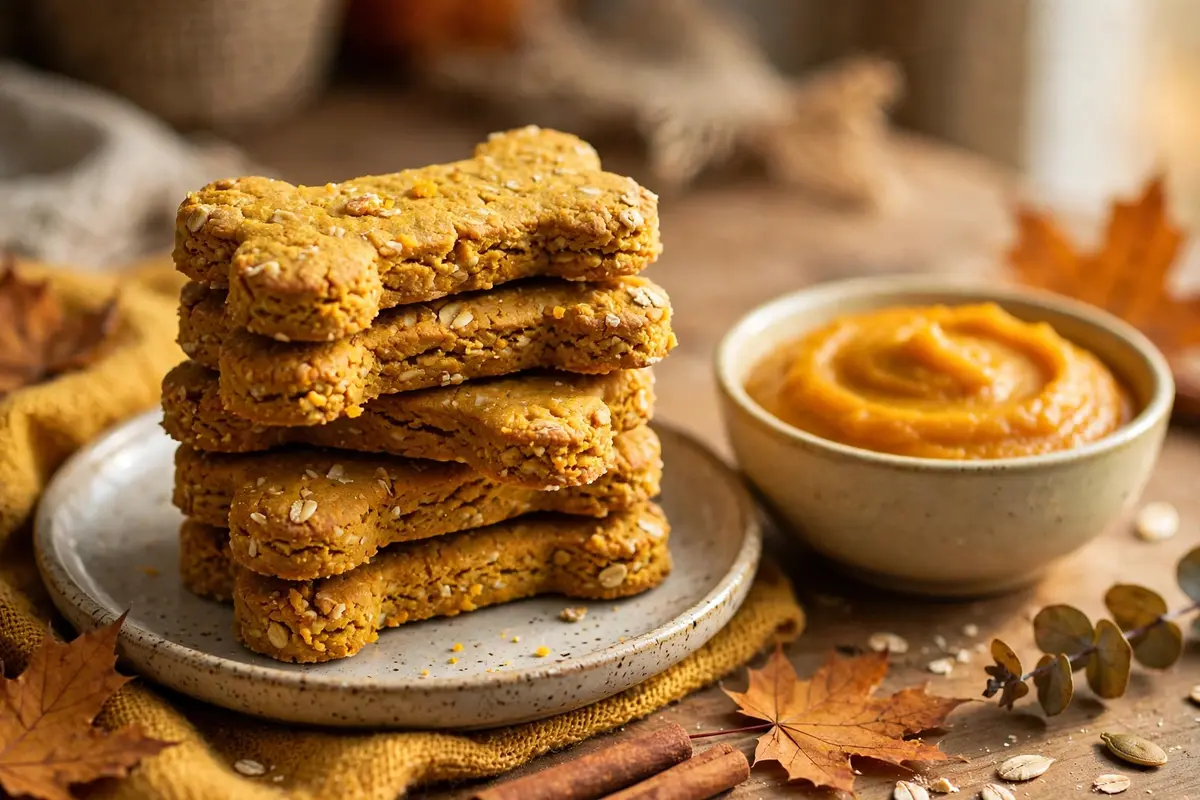
These soft, mild bites are the classic first treat for a sensitive stomach. Pumpkin soothes digestion, oats provide gentle soluble fibre, and the soft texture is easy on dogs that eat quickly or have tender gums. They are bland in the best sense: comforting, familiar, and unlikely to overwhelm a delicate gut when given in a small portion.
Ingredients & method: Mix one cup of plain pumpkin puree with one and a half cups of oat flour and one egg until a soft dough forms. Roll into small balls, flatten slightly, and bake at 175 degrees Celsius for twenty minutes until firm on the outside and soft inside. Cool completely before serving one small bite.
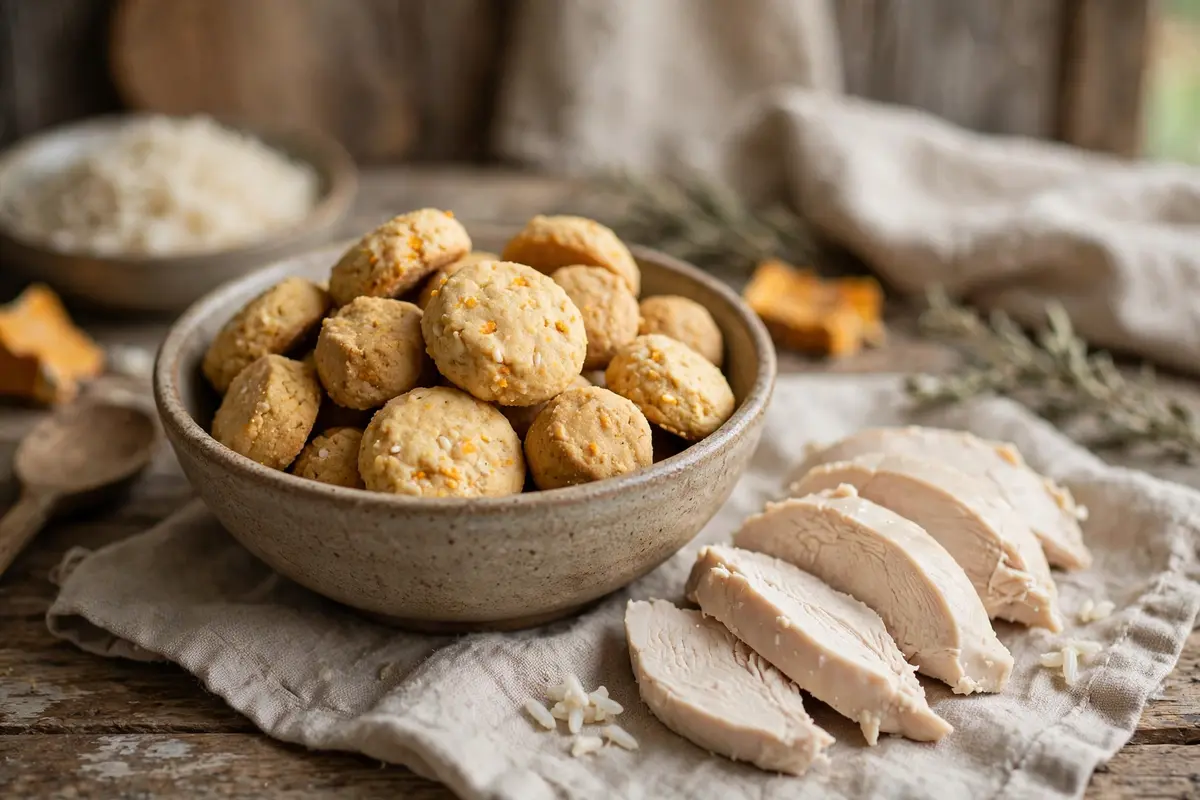
2. Chicken and Rice Biscuits
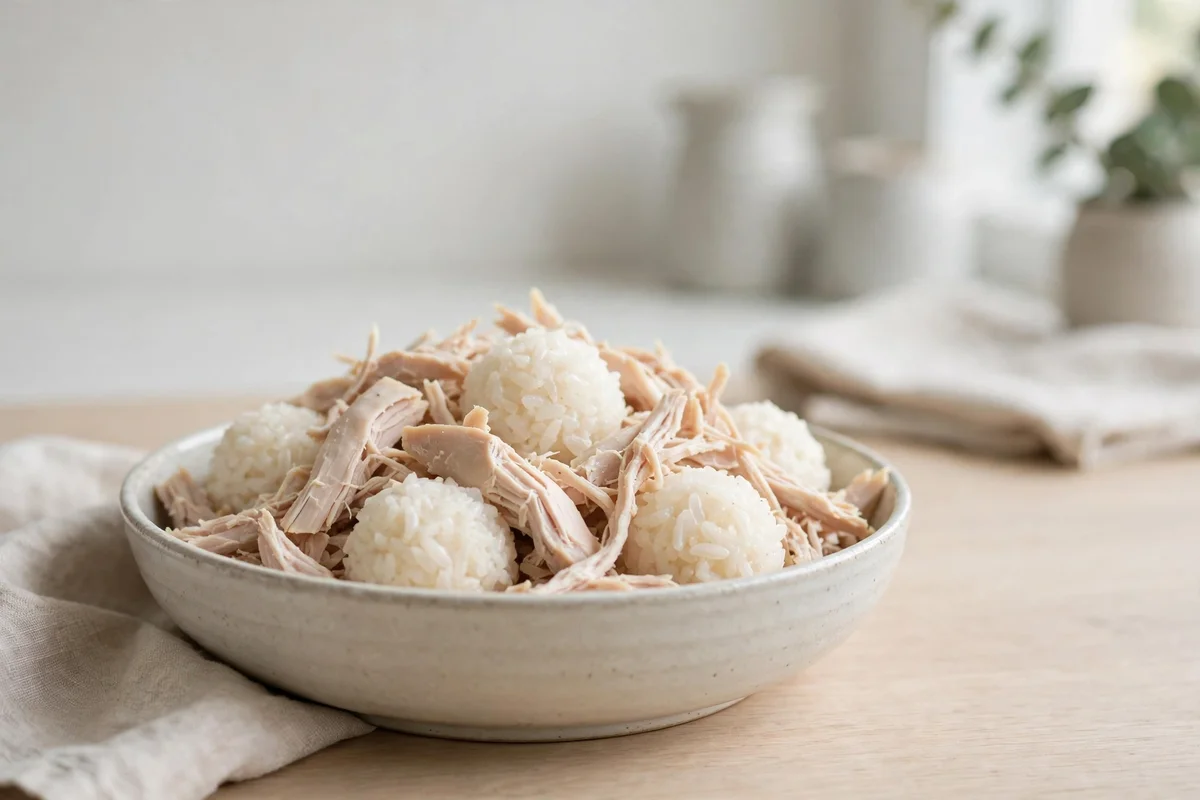
Chicken and rice is the traditional bland combination vets recommend for upset stomachs, and it works just as well as a treat. These biscuits are lean, simple, and reassuringly plain. They are ideal for dogs that do well on poultry and need a crunchy reward that does not introduce a new protein at the same time as a new treat.
Ingredients & method: Combine one cup of finely shredded cooked chicken breast, one cup of cooked white rice, one egg, and enough oat flour to form a dough. Roll out, cut into small shapes, and bake at 175 degrees Celsius for twenty-five minutes until dry and crisp. Cool fully and store in an airtight container.
3. Sweet Potato Chews
Sweet potato chews are one of the simplest gentle treats you can make, with a single ingredient and a naturally sweet taste dogs love. Slow baking turns them chewy rather than hard, and sweet potato is rich in fibre and vitamins while remaining low in fat. Cut them thin for small dogs and thicker for dogs that enjoy a longer chew.
Ingredients & method: Wash and peel two large sweet potatoes, then slice lengthwise into strips about six millimetres thick. Arrange on a lined baking tray and bake at 120 degrees Celsius for two to three hours, turning once, until chewy and dry at the edges. Cool before serving.
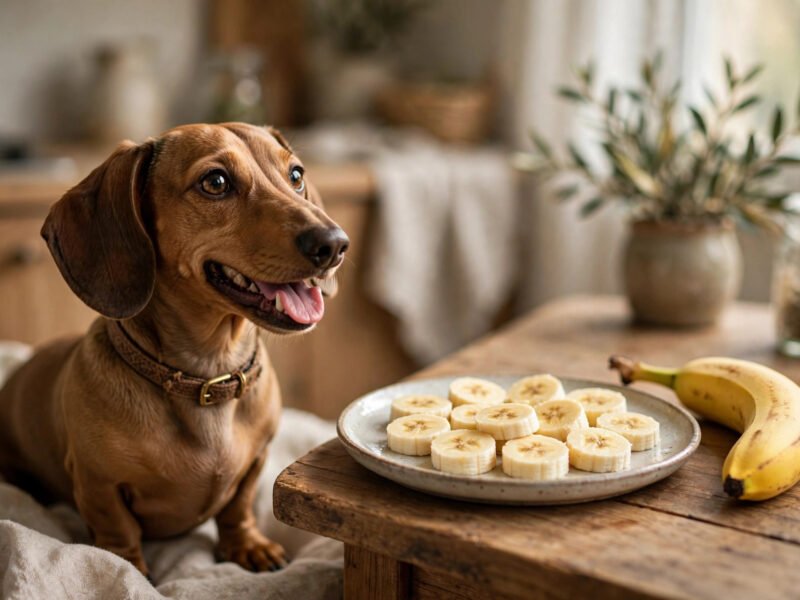
4. Banana Oat Cookies
Banana adds natural sweetness and potassium without fat or spice, and oats bind the cookies into a soft, digestible bite. These are a good choice for dogs that tolerate fruit well but react to richer biscuits. Keep them small, because banana is sugary in larger amounts, and a little goes a long way for a sensitive stomach.
Ingredients & method: Mash two ripe bananas and stir in one and a half cups of oat flour and one beaten egg. Drop spoonfuls onto a lined tray, flatten gently, and bake at 175 degrees Celsius for fifteen to eighteen minutes until set. Cool completely before offering a single cookie.
5. Turkey and Pumpkin Meatballs
Lean turkey is an excellent alternative protein for dogs that are tired of chicken or that tolerate turkey better. Combined with pumpkin, these soft meatballs are moist, easy to chew, and gentle on digestion. They also work well as a high-value training reward because they can be torn into tiny pieces.
Ingredients & method: Mix 250 grams of lean ground turkey with half a cup of plain pumpkin puree and one egg. Form small meatballs, place on a lined tray, and bake at 190 degrees Celsius for eighteen to twenty minutes until cooked through. Cool and refrigerate leftovers.
6. Plain Yoghurt Frozen Drops
Frozen yoghurt drops are cooling, portion-controlled, and easy to digest in small amounts for dogs that tolerate dairy. They are especially welcome in warm weather or after a walk, and the frozen texture slows down enthusiastic eaters. Use plain, unsweetened yoghurt only, and skip this recipe if your dog is known to react to dairy.
Ingredients & method: Spoon plain unsweetened yoghurt into small silicone moulds or drop teaspoonfuls onto a lined tray. Freeze for at least four hours until solid. Serve one or two drops at a time, and keep the rest frozen for up to two weeks.
7. Carrot and Oat Crunchers
Carrots bring crunch, fibre, and natural sweetness with very little fat, making these crunchers a satisfying treat for dogs that love to chew. Grated carrot keeps the biscuits moist without adding oil, and oats give them structure. They are a good everyday option once you know your dog tolerates both ingredients.
Ingredients & method: Stir one cup of finely grated carrot into one and a half cups of oat flour with one egg and two tablespoons of water. Shape into small rounds, bake at 175 degrees Celsius for twenty-two minutes until crisp, and cool completely before serving.
8. Rice Flour Peanut Butter Bites
For dogs that tolerate peanut butter, these bites offer a familiar flavour in a gentler, grain-light form. Rice flour is often easier on sensitive stomachs than wheat flour, and a small amount of xylitol-free peanut butter adds protein and aroma without a heavy, greasy texture. Always check the peanut butter label carefully.
Ingredients & method: Mix half a cup of smooth xylitol-free peanut butter with one cup of rice flour, one egg, and a splash of water to form a dough. Roll into small balls, flatten with a fork, and bake at 175 degrees Celsius for eighteen minutes. Cool before serving one bite.
9. Blueberry Pumpkin Soft Chews
Blueberries add antioxidants and a burst of flavour to an otherwise plain pumpkin base, and their small size makes portion control easy. These soft chews are gentle, moist, and suitable for older dogs or small breeds that prefer a softer treat. They are also a good way to use up a handful of berries before they spoil.
Ingredients & method: Mash half a cup of blueberries lightly and fold into one cup of pumpkin puree with one cup of oat flour and one egg. Spoon small mounds onto a lined tray and bake at 175 degrees Celsius for twenty minutes. Cool and refrigerate for up to five days.
10. Egg and Rice Mini Muffins
Eggs provide highly digestible protein, and rice keeps these mini muffins bland and filling without fat. Baked in a mini muffin tin, they come out in perfect single-serving sizes for sensitive dogs. They are plain enough for an upset-stomach recovery week, yet tasty enough to use as an everyday reward.
Ingredients & method: Whisk three eggs with one cup of cooked white rice and half a cup of oat flour. Spoon into a greased mini muffin tin and bake at 175 degrees Celsius for fifteen minutes until set. Cool completely, then serve one muffin and refrigerate the rest.
11. Boiled Chicken Jerky Strips
Single-protein jerky is a useful test treat because it contains nothing else to blame if symptoms appear. Baking thin chicken strips slowly dries them into chewy, savoury strips that most dogs find irresistible. This recipe avoids marinades, smoke flavouring, and added salt, keeping it as clean and gentle as possible.
Ingredients & method: Slice chicken breast very thinly against the grain and lay the strips on a lined tray. Bake at 120 degrees Celsius for two hours, turning halfway, until dry and firm but still slightly flexible. Cool, cut into small pieces, and refrigerate.
12. Pumpkin and Banana Frozen Pops
These frozen pops combine two of the gentlest ingredients for dogs: pumpkin and banana. Blended and frozen, they become a slow, soothing treat that is easy to portion and fun to lick. They are ideal for hot days, teething puppies, or dogs that need a calm, long-lasting distraction without a rich biscuit.
Ingredients & method: Blend one cup of plain pumpkin puree with one ripe banana and a quarter cup of water until smooth. Pour into small moulds or ice cube trays and freeze for at least four hours. Serve one pop and store the rest frozen.
13. Oat and Apple Biscuits
Apple adds gentle sweetness and fibre to oat biscuits, and the flavour is familiar to most dogs. Use peeled, cored apple without seeds, and keep the pieces small so the biscuits bake evenly. These biscuits are crisp, lightly sweet, and a good choice for dogs that enjoy fruit but need to avoid richer, fattier treats.
Ingredients & method: Grate one peeled apple and mix with one and a half cups of oat flour and one egg. Form small biscuits on a lined tray and bake at 175 degrees Celsius for twenty to twenty-five minutes until golden and firm. Cool completely before serving.
14. Turkey and Rice Porridge Cups
These soft porridge cups are almost a mini meal, which makes them perfect for dogs recovering from a stomach upset or dogs that prefer soft food. Cooked turkey and rice are bland and filling, and baking them into cups gives you a neat, portable portion. They are best served at room temperature, never hot.
Ingredients & method: Combine one cup of shredded cooked turkey with one cup of cooked white rice and one beaten egg. Spoon into a greased mini muffin tin and bake at 175 degrees Celsius for eighteen minutes until set. Cool, serve one cup, and refrigerate leftovers.
15. Ginger-Free Herbal Calm Biscuits
Some dogs settle better with a very plain biscuit, and this recipe keeps things deliberately simple: oats, pumpkin, and a small amount of plain yoghurt for moisture. It skips strong herbs, spices, and rich flavours entirely, making it a safe fallback treat when you are unsure what your dog will tolerate. Simplicity is the point here.
Ingredients & method: Mix one cup of pumpkin puree with one and a half cups of oat flour and two tablespoons of plain unsweetened yoghurt. Shape into small biscuits and bake at 175 degrees Celsius for twenty minutes until firm. Cool completely before serving a small piece.
Feeding Tips for Sensitive Stomachs
Keep treats small, infrequent, and predictable. One new treat at a time, in a small amount, tells you far more than three new treats in one day. Feed treats after a normal meal rather than on an empty stomach when possible, and avoid giving a new treat right before a car ride, a stressful visit, or a big change in routine, since stress alone can upset digestion and muddy the result.
Watch portion size honestly. A treat that is fine as a single bite can cause loose stools when a dog eats five of them. Cut homemade treats into small pieces, especially for small breeds, and count them as part of daily food rather than an extra on top of a full bowl. If your dog gains weight, softens in stool, or starts skipping meals, reduce treats first before changing the main diet.
Store homemade treats safely. Refrigerate soft, moist, or meat-based treats and use them within three to five days. Dry biscuits keep for up to two weeks in an airtight container in a cool place, and frozen treats keep for several weeks. Discard anything that smells off, feels slimy, or has been left out for hours, because spoiled food can cause exactly the upset you are trying to avoid.
When to See a Vet
See a vet promptly if vomiting or diarrhoea lasts more than a day or two, if there is blood in vomit or stool, if your dog refuses food and water, seems lethargic or in pain, or if a puppy or older dog becomes dehydrated. Recurring digestive problems, unexplained weight loss, or a sudden change in a previously stable dog also deserve veterinary attention. Bring your food and treat notes, including ingredients and timing, to the appointment.
Your vet may recommend allergy or intolerance testing, a faecal check, an elimination diet, or a prescription gastrointestinal food for a period. Homemade gentle treats can usually continue alongside veterinary care, but ask first if your dog is on a strict elimination trial, because even a small extra ingredient can affect the result. Treats are a support for good digestion, not a replacement for diagnosis when symptoms persist.
Frequently Asked Questions
Can I give my sensitive dog treats every day? Yes, in small amounts, as long as the treat is tolerated and stays within ten percent of daily calories. Daily variety is less important than daily consistency for a sensitive stomach.
Are grain-free treats better for sensitive stomachs? Not necessarily. Some dogs do better without wheat, while others tolerate oats or rice perfectly well. The individual ingredient matters more than the grain-free label, so test one recipe at a time.
What if my dog reacts to a recipe here? Stop that recipe, return to a previously tolerated treat, and note the ingredients. A reaction to one recipe does not mean every gentle treat is off the table; it narrows down the trigger.
Pin These Ideas for Later
Save these Pinterest pins to try these gentle treats later.