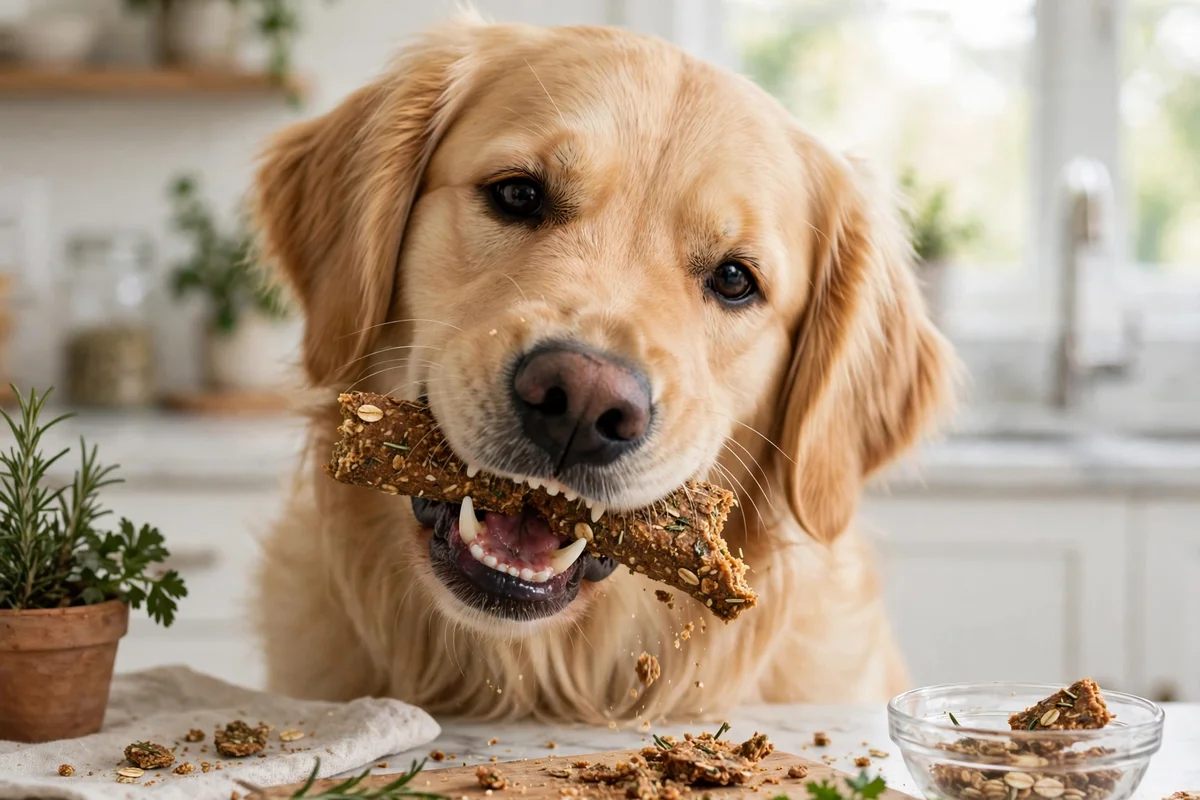
15 Homemade Dog Dental Treats for Fresh Breath
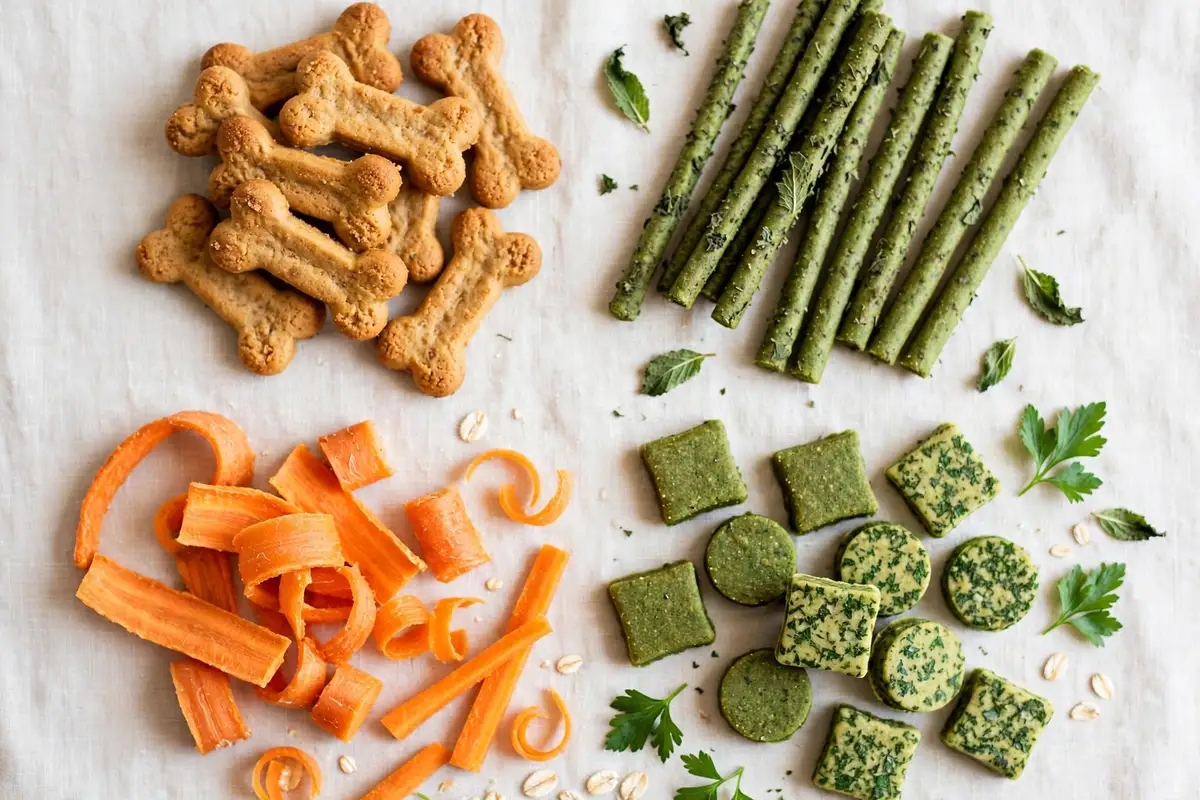
Bad breath in dogs is more than an unpleasant smell. It is often the first sign of plaque building up on the teeth, and plaque that is left alone hardens into tartar, irritates the gums, and can eventually lead to painful dental disease. The good news is that daily chewing, the right textures, and a few fresh ingredients can make a real difference. Homemade dental treats give your dog something satisfying to chew, help scrub tooth surfaces as they eat, and freshen breath naturally, all without the mystery ingredients found in some shop-bought chews.
Dental treats work in two ways. First, the mechanical action of chewing and crunching scrapes soft plaque from tooth surfaces before it hardens. Chewy, slightly abrasive textures are especially helpful for the back molars, where plaque tends to collect. Second, certain ingredients support fresher breath from the inside out: parsley and mint are traditional breath fresheners, coconut oil can help reduce bacteria in the mouth, and crunchy vegetables encourage saliva flow, which naturally rinses the mouth. No treat replaces brushing, but the right treat is a useful daily partner to it.
Understanding Plaque, Tartar, and Bad Breath
Plaque is a soft, sticky film of bacteria that forms on teeth every day, just as it does in people. If it is not removed by chewing or brushing, minerals in saliva harden it into tartar within a few days. Tartar is rough, yellow or brown, and much harder to remove, and it gives bacteria a surface to cling to along the gum line. Over time, that irritation can cause gingivitis, receding gums, loose teeth, and pain when eating.
Bad breath, or halitosis, is usually caused by those same bacteria. It can also be worsened by food trapped between teeth, a diet heavy in soft food with nothing to chew, or a mouth that is not cleaned regularly. Some breeds and smaller dogs are more prone to dental problems because their teeth are crowded, but every dog benefits from regular chewing and tooth care. Watch for red or bleeding gums, drooling, dropping food, chewing on one side, pawing at the mouth, or a sudden reluctance to chew hard treats, as these can signal dental pain.
What Makes a Good Dental Treat
A good dental treat is chewy or crunchy enough to require real chewing, but not so hard that it risks cracking a tooth. It should be large enough that your dog cannot swallow it whole, and it should last longer than a single gulp. Very hard bones, antlers, and ice can fracture teeth, so the safest dental treats bend, crumble, or wear down gradually as the dog chews. Always supervise chewing, especially with a new treat, and remove small fragments before they become a choking risk.
Fresh ingredients help too. Parsley is rich in chlorophyll and has been used for generations to freshen breath. Mint, in small amounts, adds a clean flavour dogs usually enjoy. Coconut oil, used sparingly, can support oral health, while carrots, apples, and sweet potato provide a satisfying crunch. Avoid xylitol, chocolate, grapes, onion, and garlic entirely, and skip treats loaded with sugar, which feed the very bacteria you are trying to control.
Size and frequency matter. One appropriately sized dental treat a day is a sensible routine for most dogs, alongside brushing several times a week. Treats should stay within ten percent of daily calories, and for dogs on a weight plan, choose lower-calorie crunchy options. If your dog has existing dental disease, loose teeth, or a recent extraction, ask your vet which textures are safe before offering hard or chewy treats.
15 Homemade Dog Dental Treats for Fresh Breath
1. Parsley Mint Crunch Biscuits
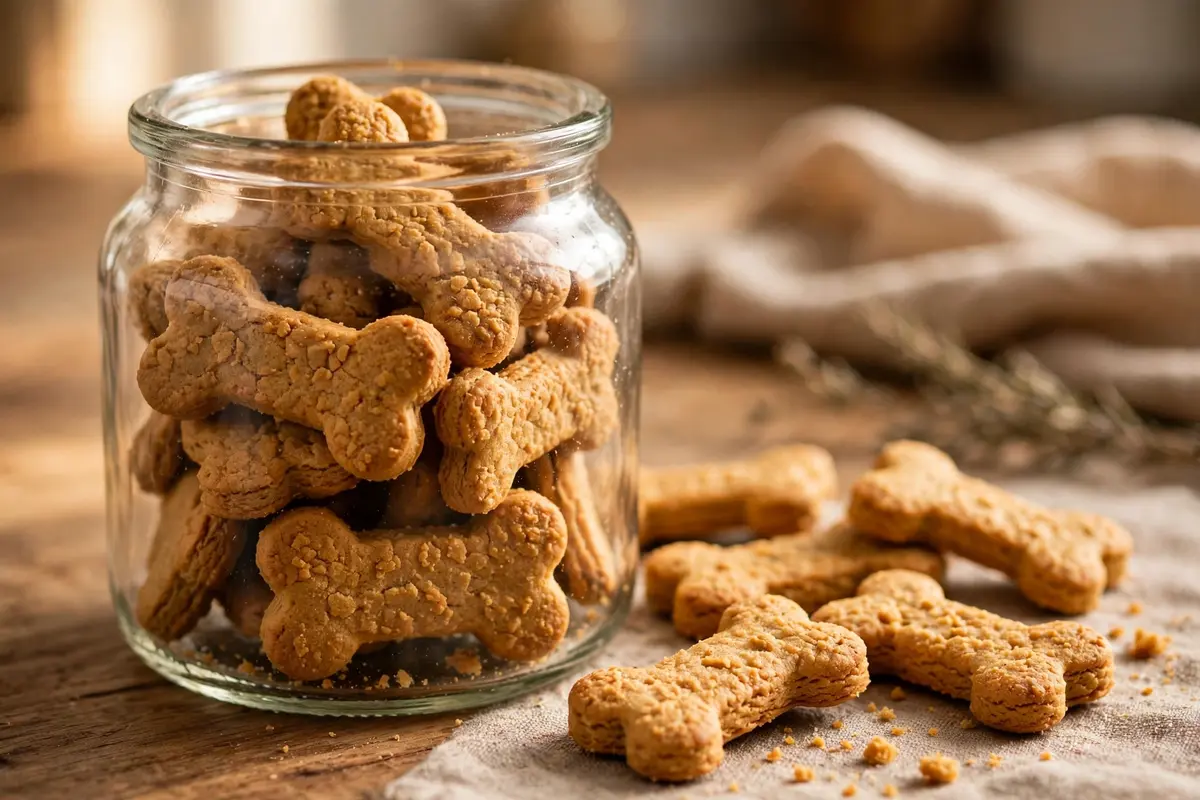
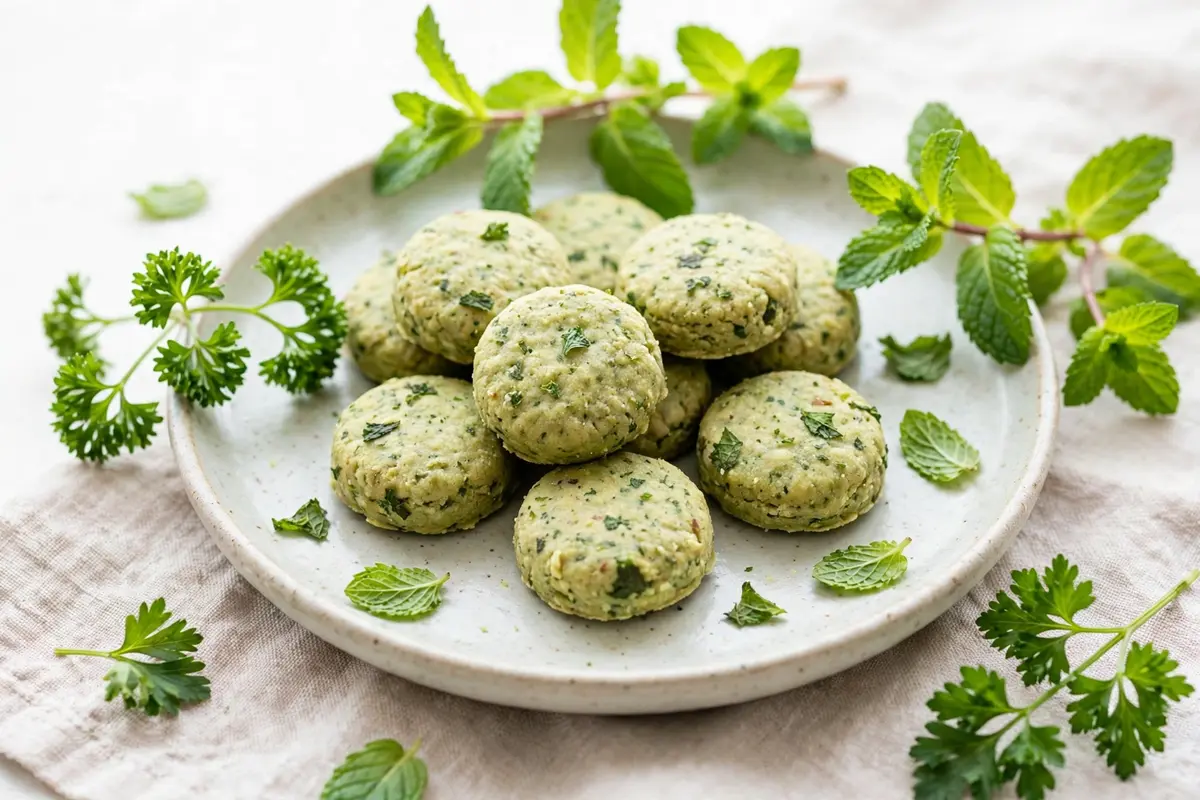
These are the classic fresh-breath biscuit: crunchy, herby, and easy to make in batches. Parsley brings natural chlorophyll, mint adds a clean scent, and the firm oat base gives teeth a good scrub with every bite. They are a great daily biscuit for dogs that enjoy herbs and tolerate a firm, dry crunch.
Ingredients & method: Mix two cups of oat flour with a quarter cup of finely chopped fresh parsley, two tablespoons of chopped fresh mint, one egg, and a quarter cup of water. Roll out, cut into bone shapes, and bake at 175 degrees Celsius for twenty-five minutes until crisp. Cool completely before serving.
2. Coconut Oil Dental Chews
Coconut oil chews are soft, pliable, and easy for dogs that prefer a gentler chew. The oil coats the mouth lightly as the dog chews, and the slightly sticky texture encourages longer chewing than a dry biscuit. Keep portions small, since coconut oil is calorie-dense, and refrigerate the chews so they hold their shape.
Ingredients & method: Stir half a cup of melted coconut oil into one and a half cups of oat flour with one egg and two tablespoons of chopped parsley. Press into silicone moulds and refrigerate for two hours until firm. Serve one chew and keep the rest chilled.
3. Carrot and Apple Crunch Sticks
Raw crunch is one of the simplest dental tools, and these sticks combine carrot and apple into a treat dogs can gnaw happily. The fibrous texture helps scrub tooth surfaces, and the natural sweetness makes them appealing even to fussy dogs. Cut them thick enough to require chewing rather than swallowing whole.
Ingredients & method: Grate one large carrot and one peeled, cored apple, then mix with one and a half cups of oat flour and one egg. Shape into thick sticks, bake at 175 degrees Celsius for twenty-five minutes until firm and crisp, and cool before serving one stick.
4. Sweet Potato Dental Twists
Sweet potato twists are chewy, long-lasting, and naturally sweet, making them ideal for dogs that love to gnaw. Twisting the strips increases the chewing surface and slows down fast eaters, giving the teeth more contact time. Slow baking keeps them pliable rather than brittle, which is kinder to teeth.
Ingredients & method: Peel two sweet potatoes and cut into long, thin strips. Twist each strip gently, place on a lined tray, and bake at 120 degrees Celsius for two to three hours, turning once, until chewy and dry. Cool and cut to a safe size for your dog.
5. Minty Peanut Butter Bones
Peanut butter bones combine a flavour most dogs love with a fresh mint twist, and the firm baked texture gives a satisfying crunch. They are easy to portion, easy to store, and popular enough to use as a daily dental reward. Use only xylitol-free peanut butter and keep mint modest so the flavour stays gentle.
Ingredients & method: Mix half a cup of xylitol-free peanut butter with one and a half cups of oat flour, one egg, two tablespoons of chopped mint, and a splash of water. Roll out, cut into bones, and bake at 175 degrees Celsius for twenty minutes until firm. Cool completely.
6. Parsley Yoghurt Frozen Bites
Frozen bites are refreshing, portion-controlled, and especially good for puppies, older dogs, or dogs with sore gums that cannot manage a hard biscuit. The cold soothes the mouth, while parsley freshens breath as the bite melts. Use plain unsweetened yoghurt and skip this recipe if your dog does not tolerate dairy.
Ingredients & method: Blend one cup of plain unsweetened yoghurt with a quarter cup of chopped parsley and a tablespoon of chopped mint. Spoon into small moulds and freeze for at least four hours. Serve one bite and keep the rest frozen.
7. Chicken and Parsley Chew Strips
Protein-based chews motivate even reluctant chewers, and parsley gives these strips a fresh-breath benefit that plain jerky lacks. Thin chicken strips dry into a chewy texture that requires real jaw work, helping to clean the back teeth where plaque builds fastest. There are no marinades or added salt.
Ingredients & method: Slice chicken breast thinly, brush very lightly with water, and sprinkle with finely chopped parsley. Lay on a lined tray and bake at 120 degrees Celsius for two hours, turning halfway, until dry and chewy. Cool, cut into strips, and refrigerate.
8. Pumpkin Mint Soft Chews
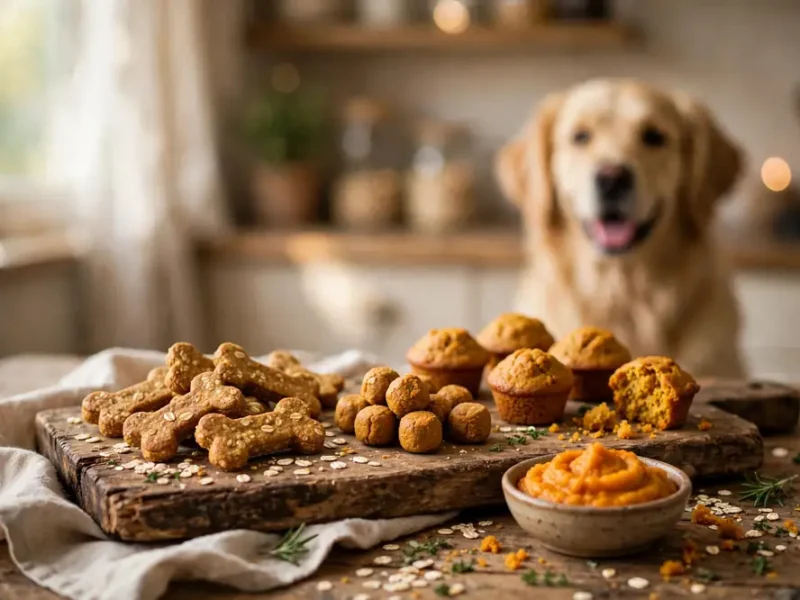
These soft chews suit dogs that need a gentler dental treat, such as small breeds or dogs with sensitive mouths. Pumpkin keeps them moist and digestible, mint freshens breath, and the soft texture still encourages chewing rather than gulping. They are also easy to break into smaller pieces for training.
Ingredients & method: Mix one cup of plain pumpkin puree with one cup of oat flour, one egg, and two tablespoons of chopped mint. Spoon small mounds onto a lined tray and bake at 175 degrees Celsius for twenty minutes until set but soft. Cool and refrigerate for up to five days.
9. Crunchy Kale and Oat Biscuits
Kale adds fibre, vitamins, and a slightly rough texture that helps scrub teeth, while oats bind the biscuits into a firm crunch. Finely chopping the kale ensures it bakes evenly and does not leave stringy pieces. These dark green biscuits look unusual, but most dogs enjoy their savoury, earthy flavour.
Ingredients & method: Finely chop one cup of kale leaves, discarding thick stems, and mix with one and a half cups of oat flour, one egg, and a quarter cup of water. Roll out, cut into shapes, and bake at 175 degrees Celsius for twenty-five minutes until crisp. Cool before serving.
10. Apple Cinnamon Dental Rounds
Apple and cinnamon is a warm, familiar combination, and the crisp baked rounds give teeth a thorough workout. Apple provides crunch and natural sweetness, while a small amount of cinnamon adds aroma without sugar. Use cinnamon sparingly, and never use nutmeg, which is not safe for dogs.
Ingredients & method: Grate one peeled, cored apple and mix with one and a half cups of oat flour, one egg, and half a teaspoon of ground cinnamon. Shape into rounds, bake at 175 degrees Celsius for twenty-two minutes until golden and firm, and cool completely.
11. Frozen Carrot Chew Sticks
Sometimes the simplest dental treat is the best. Whole carrots, frozen until solid, become a long-lasting, crunchy chew that cleans teeth, soothes gums, and hydrates at the same time. They are low in calories, inexpensive, and ideal for dogs that enjoy gnawing. Choose a carrot thick enough that your dog must chew it.
Ingredients & method: Peel large carrots, trim the ends, and freeze them whole for at least six hours. Serve one frozen carrot under supervision, and remove it once it becomes small enough to swallow. Discard any leftover pieces.
12. Turmeric Coconut Dental Bites
Turmeric gives these bites a golden colour and is often included in oral health recipes for its traditional anti-inflammatory properties. Combined with coconut oil and oats, it forms a soft, savoury bite that dogs chew slowly. Use only a small amount of turmeric, as larger quantities can upset the stomach.
Ingredients & method: Mix one and a half cups of oat flour with a quarter cup of melted coconut oil, one egg, half a teaspoon of ground turmeric, and two tablespoons of chopped parsley. Shape into small bites and bake at 175 degrees Celsius for eighteen minutes. Cool before serving.
13. Blueberry Mint Crunch Cookies
Blueberries add antioxidants and a juicy burst to a crunchy oat cookie, while mint keeps breath fresh. The combination is a little more interesting than a plain biscuit, which helps if your dog gets bored of the same treat. Bake them until properly crisp so they do real dental work rather than dissolving instantly.
Ingredients & method: Mash half a cup of blueberries lightly and mix with one and a half cups of oat flour, one egg, and two tablespoons of chopped mint. Drop spoonfuls onto a lined tray, flatten, and bake at 175 degrees Celsius for twenty-two minutes until crisp. Cool completely.
14. Beef and Parsley Jerky Chews
For dogs that prefer red meat, beef jerky chews offer a strong flavour and a tough, satisfying chew. Parsley adds freshness, and the slow-dried texture forces the dog to work the jaw and scrape the teeth. Slice the beef thinly and evenly so it dries safely, and always supervise the first chew.
Ingredients & method: Slice lean beef very thinly against the grain, sprinkle with chopped parsley, and lay on a lined tray. Bake at 120 degrees Celsius for two to three hours, turning once, until dry and firm but not brittle. Cool, cut into safe lengths, and refrigerate.
15. Celery and Peanut Butter Dental Logs
Celery is naturally stringy and crunchy, which makes it a surprisingly effective tooth scrubber, and a thin smear of peanut butter turns it into a treat dogs will happily gnaw. The fibrous texture reaches between teeth, while the peanut butter keeps the dog chewing longer. Keep the peanut butter layer thin to control calories.
Ingredients & method: Cut celery stalks into lengths of about ten centimetres, fill the groove with a thin layer of xylitol-free peanut butter, and sprinkle with chopped parsley. Serve immediately under supervision and discard any uneaten pieces after chewing.
Dental Care Tips Beyond Treats
Use dental treats as part of a routine, not as the whole routine. Offer one dental chew a day, rotate textures between crunchy biscuits and chewy strips, and always supervise. Avoid giving a dental treat right after brushing, when toothpaste is still working, and avoid very hard chews for dogs with weak or damaged teeth. If a treat breaks into sharp pieces, remove it.
Check your dog’s mouth regularly. Lift the lips once a week and look for redness along the gum line, yellow or brown build-up, broken teeth, or unusual smells. Early plaque is soft and manageable, while tartar needs professional removal. A quick weekly check helps you catch problems while they are still small and inexpensive to address.
How to Brush Your Dog’s Teeth
Brushing is the single most effective home dental care step. Start slowly: let your dog lick dog-safe toothpaste from your finger, then progress to a finger brush, then a soft dog toothbrush. Use gentle circular motions along the outer surfaces of the teeth, where plaque collects most, and aim for two to three minutes several times a week. Never use human toothpaste, which often contains xylitol or foaming agents that dogs should not swallow.
Keep sessions short and positive, especially at first. Reward your dog afterwards with praise or a dental treat, and stop if your dog becomes stressed. Even brushing every other day makes a meaningful difference, and combining brushing with daily dental chews gives your dog the best chance of keeping healthy teeth and fresh breath for life.
When to See a Vet About Dental Health
See a vet if breath suddenly worsens, gums bleed, teeth look loose or broken, your dog drops food or chews only on one side, or you notice swelling around the mouth or face. Professional dental cleaning under anaesthesia may be needed to remove tartar below the gum line, where treats and brushing cannot reach. Your vet can also check for painful tooth fractures, abscesses, or gum disease that home care alone cannot fix.
Regular veterinary dental checks, usually once a year, help catch problems early. Ask your vet to show you how to brush effectively and which treat textures suit your dog’s teeth. With daily chewing, regular brushing, and prompt veterinary care when needed, most dogs can keep a healthy mouth, comfortable teeth, and noticeably fresher breath.
Pin These Ideas for Later
Save these Pinterest pins to try these dental treats later.